
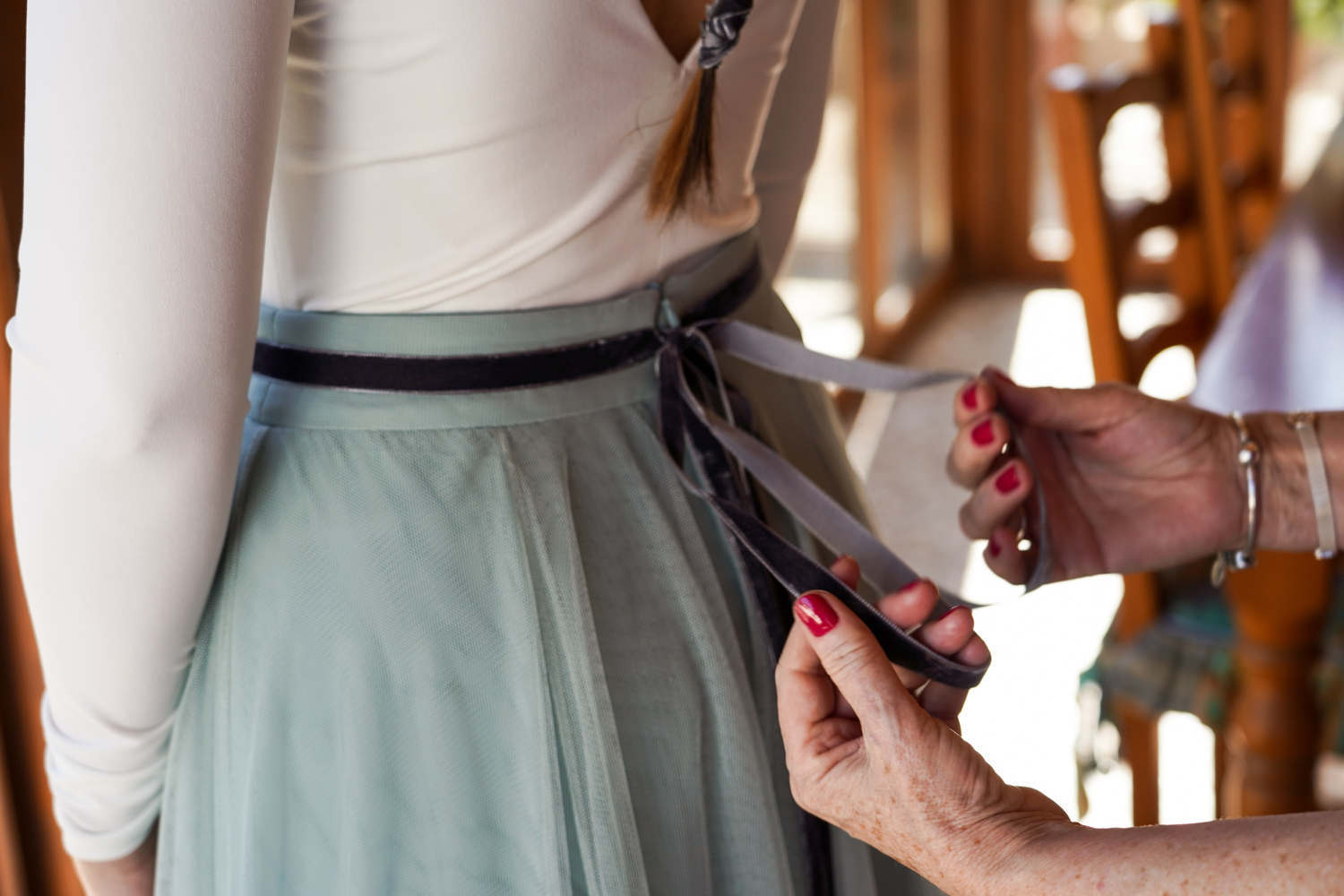
You’ve probably noticed that the same fit problems show up again and again in women’s clothing, no matter where you shop. Switching brands doesn’t always fix the issue because many women’s garments are built on similar patterns, even when the style or label changes. The result is a familiar cycle of tugging, adjusting, and settling for a fit that’s close, but not quite right.
Because women’s bodies vary widely in proportion, that approach leaves many wearing clothing that doesn’t fully align with how they move, curve, or carry weight.
Stick with this guide, and you’ll start to recognize these fit issues for what they really are, thereby helping you identify which adjustments are possible.
01 Waist Gaping or Tightness
Waist gaping or tightness is one of the most common fit problems women face, especially with pants, skirts, and structured dresses. A piece may fit well through the hips but feel uncomfortable at the waist, causing gaps in the back or pressure in the front. That kind of waist mismatch is often the first sign the issue is with how the garment is made, not the size you’re wearing.
Waist Adjustment Options
Professional alterations address waist issues by reshaping the garment rather than forcing the body to conform. Tailors evaluate seam placement, fabric allowance, and garment structure before making adjustments such as:
- Taking in or letting out the waistband evenly
- Rebalancing darts or back seams
- Preserving the original silhouette while improving comfort
These changes create a clean, smooth line at the waist while preserving comfort and style. A well-adjusted waist improves the overall look and feel of the garment, making it more comfortable to wear throughout the day.
02 Pulling or Tightness Across the Bust
Tightness across the bust often shows up as pulling buttons, stressed seams, or fabric that feels tight when you move. This is important because it affects both comfort and how the garment looks, especially for dresses, blouses, and fitted jackets.
Many garments are designed for a standard bust shape, which doesn’t account for natural differences in size or fullness. As a result, even the correct size can feel uncomfortable across the chest.
Bust Fit Solutions
Alterations for bust-related issues focus on restoring proportion without adding bulk. Depending on the garment, a tailor may:
- Add or reshape darts for better contour
- Let out seams where fabric allowance exists
- Adjust the lining and structure for a smoother drape
These targeted alterations improve movement and relieve strain while preserving the original design. When the bust fits properly, clothing drapes naturally, buttons close with ease, and the overall silhouette looks balanced and intentional.
03 Shoulders That Don’t Sit Correctly
Shoulders play a key role in how clothing hangs, yet they are one of the hardest areas to fit well. When shoulder seams slip, dig in, or sit too wide, the garment can appear off, even if the rest of the fit is correct.
This matters because the shoulders support the structure of the entire piece, especially in jackets, dresses, and tailored tops. When the shoulders don’t line up correctly, changing sizes rarely fixes the problem.
Shoulder Fit Corrections
Shoulder alterations require precision and experience, but they can dramatically improve fit.
Professionals may:
- Reset shoulder seams for better alignment
- Adjust sleeve caps to restore balance
- Rework the structure to support natural posture
These adjustments help garments hang smoothly without pulling or losing shape. When the shoulders fit correctly, they create a strong foundation that makes the entire garment look sharper and more polished.
04 Sleeves That Are Too Long or Too Short
Sleeve length problems are common and easy to notice. Sleeves that run too long or too short can disrupt proportions and make clothing appear unfinished. Arm length varies from person to person, yet most garments are produced using standard sleeve measurements. When sleeves don’t fall in the right place, the entire outfit can feel out of balance.
Sleeve Length Fixes
Sleeve alterations are among the most effective and approachable tailoring solutions. A tailor can:
- Shorten or lengthen sleeves while preserving cuffs
- Adjust sleeve pitch for natural arm movement
- Maintain symmetry between both arms
These refinements improve comfort and enhance the overall appearance of the garment. Well-fitted sleeves bring balance to an outfit and often make clothing look custom-made.
05 Hips or Thighs That Feel Restrictive
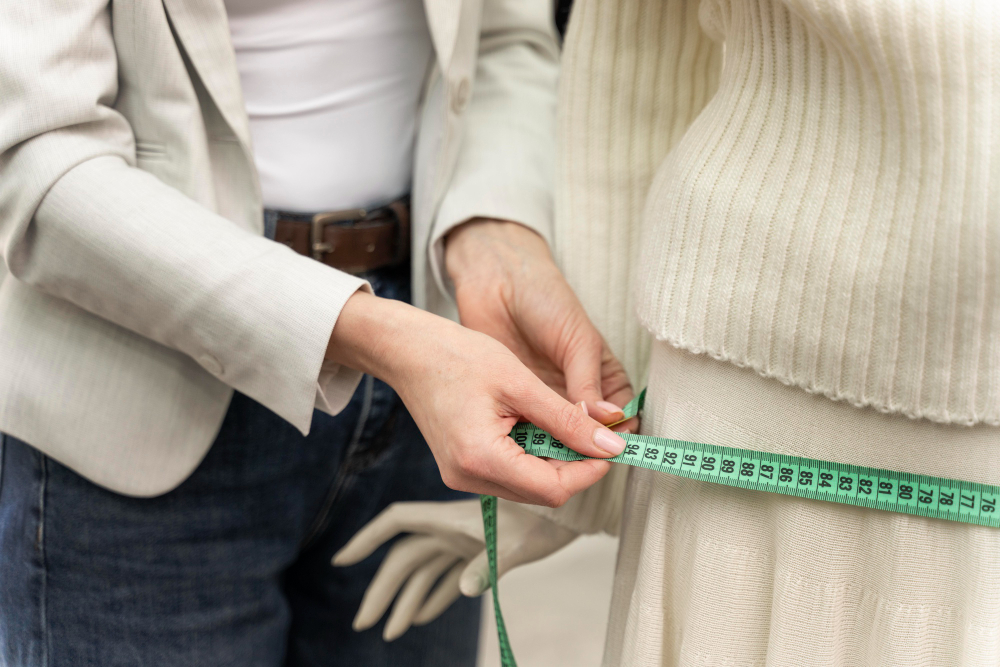
Restriction through the hips or thighs often shows up when you sit, walk, or bend. Clothing may look fine when you stand still, but movement quickly reveals tightness and discomfort. This occurs because many garments are designed using standard measurements rather than accounting for how the body moves. Feeling restricted when you move is usually a sign the fit needs adjustment.
Movement-Based Alterations
Alterations focused on mobility aim to restore ease without sacrificing shape. Solutions may include:
- Letting out seams for additional room
- Adjusting the rise or shaping panels
- Rebalancing fabric distribution for movement
These adjustments help clothing move with your body rather than work against it. When hips and thighs fit comfortably, garments feel easier to wear, and confidence follows naturally.
06 Garments That Fit in One Area but Not Another
The “almost fits” problem is very common in women’s clothing. A dress may fit well at the shoulders but feel tight at the hips, or pants may fit the legs while leaving gaps at the waist. This often leads to frustration and the return of items that could otherwise work. The reason is most clothing is made using standard proportions that don’t match real bodies.
Strategic Alteration Planning
Professional alterations prioritize the best-fitting area and adjust the rest accordingly. Tailors typically:
- Identify the garment’s strongest fit point
- Modify secondary areas to match that anchor
- Preserve design intent while improving balance
This approach turns “almost fits” pieces into garments you can actually wear. Once you recognize this pattern, searching for dress alterations becomes a practical step rather than a last resort, and fit frustration gives way to confidence and control.
Achieve the Right Fit with Precision Alterations at Super Cleaners
If you deal with common fit problems such as waist gaping, bust tightness, sleeves that don’t fit correctly, or clothing that fits in one area but not another, Super Cleaners offers experienced alteration services to address these issues thoughtfully and precisely.
Our expert Alterations and Tailoring Service in Las Vegas address a wide range of fitting issues, especially for women’s clothing. Our skilled tailors and seamstresses make precise adjustments to improve comfort, balance, and movement. Each garment is handled with care so it fits your shape, not a generic size.
You don’t have to keep wearing clothes that feel almost right. Professional alterations at Super Cleaners provide the precise solution. Ready to book? Get in touch with Super Cleaners today.
Need help fixing fit issues in women’s clothing?
Phone: 725-900-2532
Main Locations: Las Vegas, NV